Experiential Learning Fosters Student Empowerment
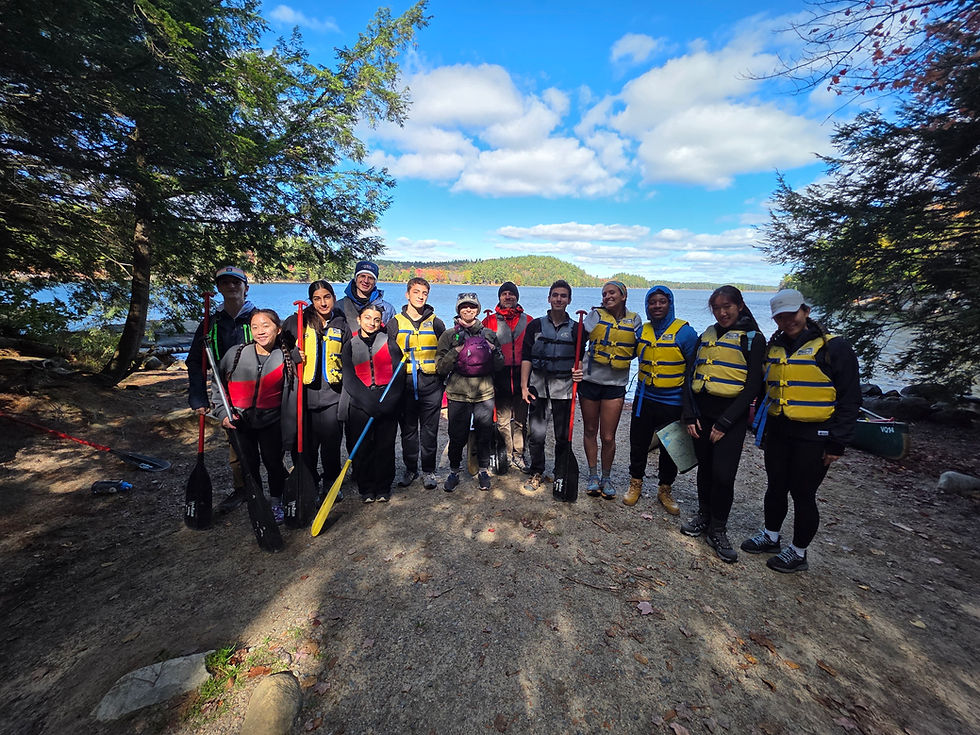
Experiential learning is more than just a teaching method; it is a transformative process that empowers students to take ownership of their education. By engaging in hands-on challenges and immersive outdoor experiences, students develop the critical thinking skills, resilience, and collaborative spirit necessary to navigate an increasingly complex world. From the rugged trails of Algonquin Park to the classroom, the lessons learned in the wilderness provide a foundation for lifelong success.
Growth Through Challenge in Algonquin Park
In the heart of Algonquin Park, students are removed from the digital distractions of daily life and placed in an environment where their actions have immediate, tangible consequences. Whether they are navigating a portage, setting up camp in the rain, or paddling across a windswept lake, every challenge is an opportunity for growth. These experiences foster a sense of student empowerment, as they realize that through perseverance and collaboration, they can overcome obstacles that once seemed insurmountable.
Tools to Succeed in the Classroom and in Life
The benefits of experiential learning extend far beyond the wilderness. The skill sets developed during outdoor education programs—such as problem-solving, emotional regulation, and effective communication—are highly transferable to the school environment. Students return to the classroom with a renewed sense of confidence and a deeper understanding of how to apply theoretical knowledge to real-world situations, ultimately enhancing their academic performance and personal well-being.
Growth Out of the Comfort Zone
True empowerment occurs when students step out of their comfort zones. Outdoor education provides a safe yet challenging framework for this exploration. By facing physical and emotional discomfort in a supportive group setting, students learn that vulnerability is a strength and that failure is simply a stepping stone toward mastery. This process builds the mental fortitude required to embrace new challenges with curiosity rather than fear.
Wilderness: The Great Equalizer
In the wilderness, social hierarchies and academic labels disappear. The wilderness acts as a great equalizer, where every student's contribution is valued and necessary for the group's success. This inclusive environment allows for student empowerment across all backgrounds and abilities, fostering a culture of empathy and mutual respect. As they work together to achieve common goals, students build lasting bonds that strengthen their school community and prepare them to be compassionate leaders
Comments